
Midlife Nutrition During Perimenopause and Menopause
Nutrition during perimenopause and menopause should not be reduced to finding one “menopause supplement”.
Diet, physical activity, sleep, alcohol intake, smoking status and overall health remain important, while supplements can be used to complement normal food intake where a particular nutrient or product format is appropriate.
The Supplement Needs range includes different options across vitamins and minerals, magnesium, vitamin D, omega fatty acids and beauty nutrition. These products have different formulations and should be chosen according to their nutritional role rather than being treated as a single menopause stack.
Food supplements should also be clearly viewed separately from treatments for menopause symptoms.
Vitamins and Minerals During Midlife
A broad nutritional starting point
A multivitamin and mineral formula can be useful for customers who want to review a broad range of micronutrients in one product, rather than choosing several standalone vitamins and minerals individually.
Supplement Needs Multi Vitamin and Mineral PRO is the broadest everyday micronutrient option within the current range. The latest formula lists 22 ingredients, comprising 13 vitamins and nine minerals, in a one capsule daily serving. These include vitamins A, B-group vitamins, C, D3, E and K2 alongside minerals including magnesium, zinc, selenium, iodine, copper, manganese and chromium.
That makes it fundamentally different from products such as Magnesium Bisglycinate or Omega 3 High Strength, which provide a much narrower nutritional focus.
When might a multivitamin be the more logical choice?
Multi Vitamin and Mineral PRO provides a broad combination of vitamins and minerals in one daily capsule for customers reviewing their everyday micronutrient intake during midlife.
A multivitamin may be the more straightforward place to start when the customer is looking for:
- a broad vitamin and mineral formula;
- a one capsule daily format
- several micronutrients rather than one isolated nutrient
- an everyday product rather than a specialist menopause formula.
Multivitamin or standalone nutrient?
If the priority is....
Broad vitamins and minerals = Multi Vitamin and Mineral PRO
Standalone magnesium = Magnesium Bisglycinate
EPA + DHA = Omega 3 High Strength
Female focused sea-buckthorn fatty acids = Omega Femme
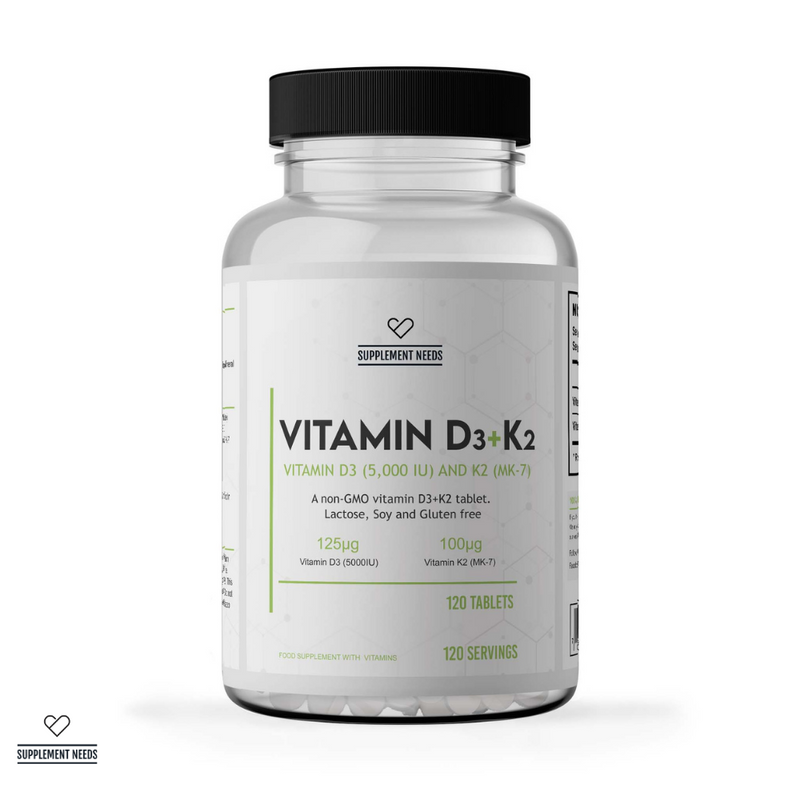
High-strength vitamin D3 + K2 = Vitamin D3 & K2
Collagen led beauty nutrition = Beauty Essence
Multi Vitamin and Mineral PRO already contains a range of micronutrients, so customers adding standalone vitamin or mineral products should check their total daily intake for overlap.
A note on vitamin A and other overlapping nutrients
Because Multi Vitamin and Mineral PRO contains numerous vitamins and minerals, customers should review the complete ingredient panel before combining it with additional high dose micronutrient products. Its current formula includes vitamin A, vitamin D3, vitamin K2, zinc, selenium, iodine and magnesium among other nutrients.
Start with your nutritional requirement, then check what your existing products already provide before adding another supplement.
Magnesium During Midlife
A focused magnesium option
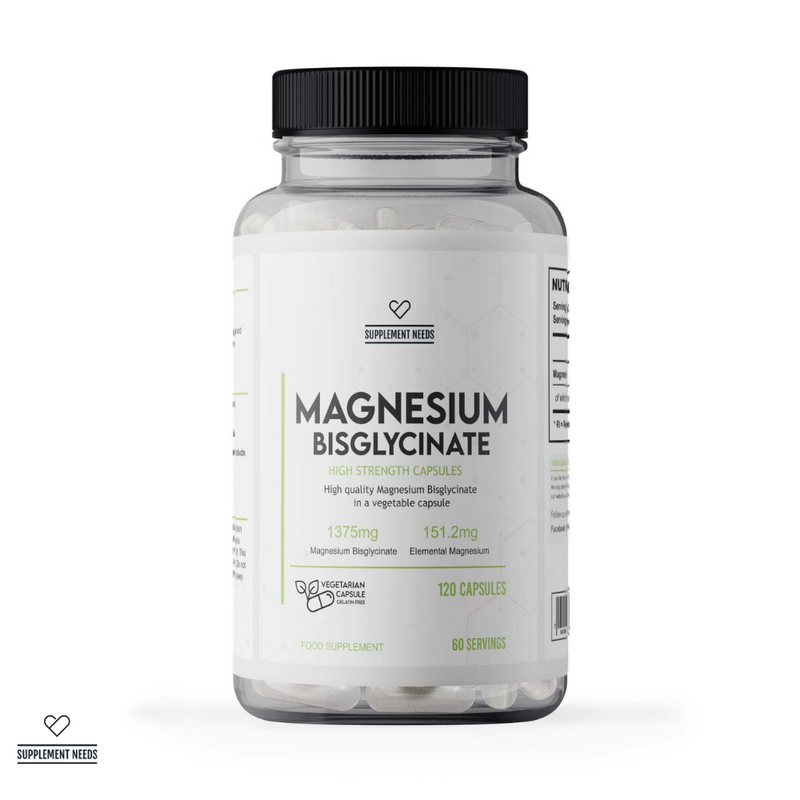
Supplement Needs Magnesium Bisglycinate is a standalone magnesium product rather than a broad multivitamin or menopause formula.
Each full two capsule serving provides 151.2mg elemental magnesium from 1,375mg magnesium bisglycinate, equivalent to 41% of the stated reference intake on the current product page. A tub contains 120 capsules and provides 60 full two capsule servings.
1,375mg magnesium bisglycinate does not mean 1,375mg magnesium
The customer facing number that matters when comparing magnesium intake is the amount of elemental magnesium.
For the Supplement Needs formula:
Magnesium Bisglycinate compound: 1,375mg
Elemental magnesium supplied: 151.2mg
Magnesium contributes to:
- normal muscle function
- normal energy yielding metabolism
- the reduction of tiredness and fatigue
- normal functioning of the nervous system
- normal psychological function
- electrolyte balance
- the maintenance of normal bones
Magnesium is an essential mineral with several established physiological roles.
Magnesium contributes to normal muscle function, normal energy yielding metabolism and the reduction of tiredness and fatigue.
Supplement Needs Magnesium Bisglycinate provides 151.2mg elemental magnesium per full two capsule serving.
Does magnesium help with menopause symptoms?
Magnesium has authorised health claims relating to normal physiological functions such as muscle function, psychological function, energy metabolism and reduction of tiredness and fatigue.
Magnesium Bisglycinate vs Multi Vitamin and Mineral PRO
Magnesium Bisglycinate
- Standalone mineral
- Magnesium = 151.2mg elemental per 2 capsules
- Dedicated magnesium product
Multi Vitamin and Mineral PRO
- Broad multivitamin/mineral
- Magnesium included within wider formula
- Broader micronutrient intake
Choose Magnesium Bisglycinate when magnesium itself is the priority.
Choose Multi Vitamin and Mineral PRO when you want a broader range of vitamins and minerals.
Bone Related Nutrition During and After Menopause
Why does bone health become more relevant during menopause?
Bone health is an important consideration through midlife. NHS guidance explains that women can lose bone more rapidly after menopause as oestrogen levels fall, and that reduced oestrogen is one reason osteoporosis becomes more common after menopause.
That does not mean a food supplement can prevent osteoporosis.
Nutritional support for normal bone maintenance may aid medical prevention or treatment of osteoporosis.
Vitamin D and normal bone health
Vitamin D contributes to:
- the maintenance of normal bones
- the maintenance of normal muscle function
- normal absorption/utilisation of calcium and phosphorus
- normal blood calcium levels
Vitamin D contributes to the maintenance of normal bones and normal muscle function and contributes to normal absorption and utilisation of calcium and phosphorus.
Diet, calcium and vitamin D still matter
NHS guidance advises a healthy diet containing sources of calcium, weight-bearing and resistance exercise, and appropriate vitamin D intake as part of maintaining bone health around and after menopause.
NHS guidance states that most healthy adults should obtain around 700mg calcium daily, primarily from their diet, and that adults should have 10 micrograms of vitamin D per day.
Bone health is wider than supplementation alone. A balanced diet containing calcium, regular weight-bearing and resistance exercise, and appropriate vitamin D intake all form part of the wider picture. Supplements should complement rather than replace these foundations.
Bone nutrition is not osteoporosis treatment
Concerned about bone density?
Food supplements are not a substitute for assessment or treatment of osteoporosis. Women concerned about bone density, fracture risk, early menopause or diagnosed osteoporosis should discuss appropriate assessment and treatment with a healthcare professional.
NHS guidance describes HRT and osteoporosis medicines, alongside calcium/vitamin D considerations where appropriate, as part of clinical osteoporosis management.
Omega Fatty Acids During Midlife
Compare omega products by what they actually contain
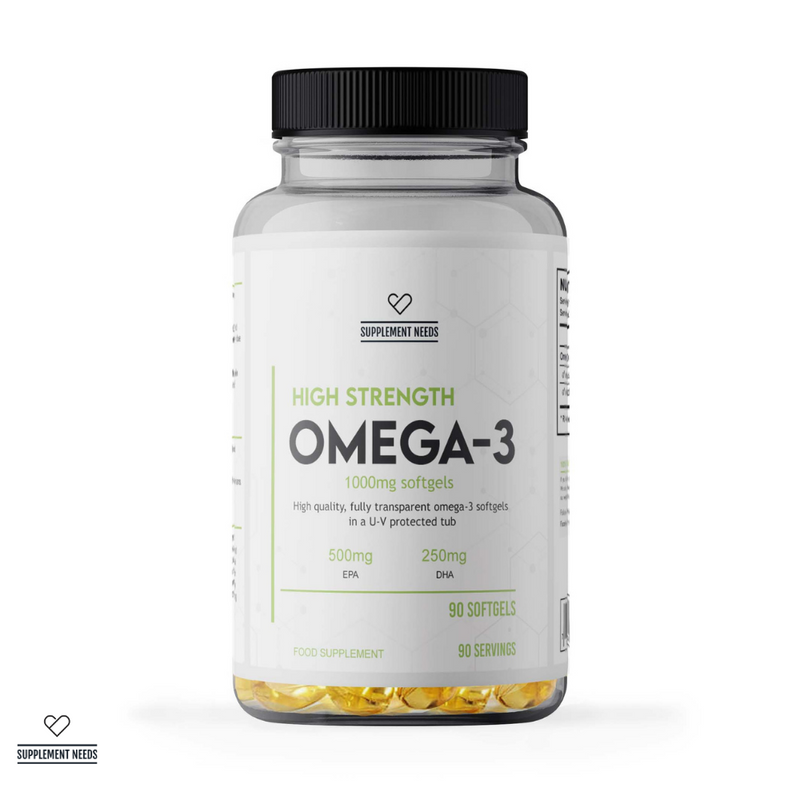
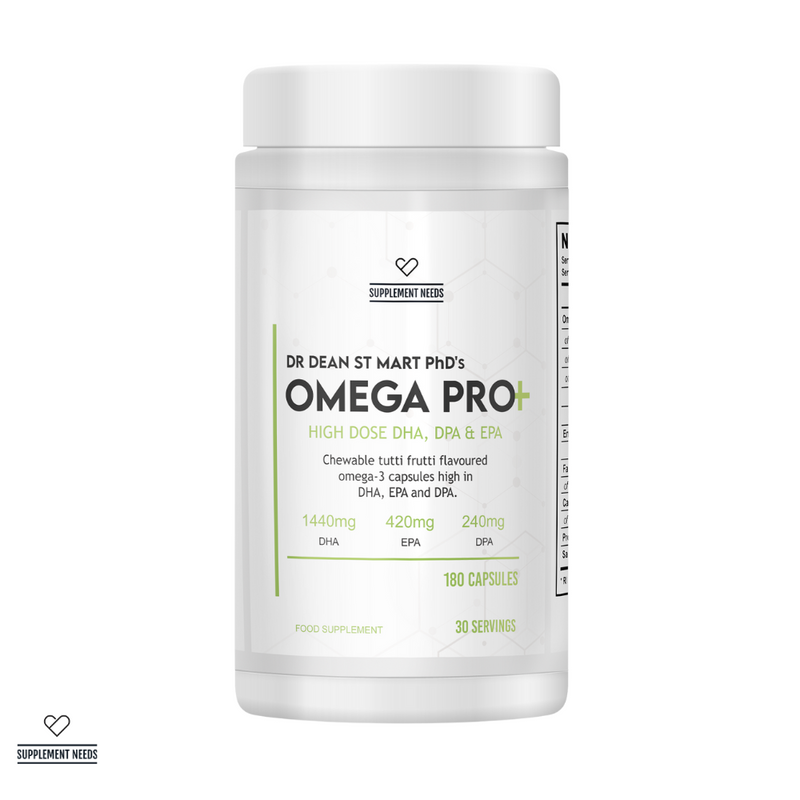
Omega 3 High Strength
Each softgel provides:
- 1,000mg fish oil
- 500mg EPA
- 250mg DHA
It is fish-derived and contains a gelatin softgel, so it is not suitable for vegetarians or vegans.
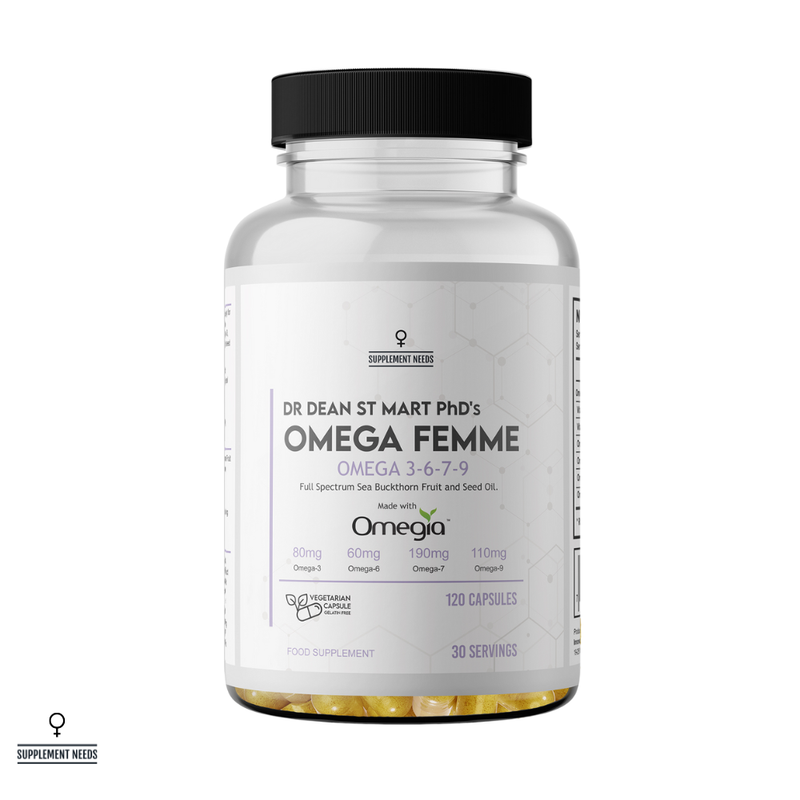
Omega Femme
Each four capsule daily serving provides:
- 2,000mg Omegia® sea-buckthorn fruit and seed oil
including:
- 80mg omega-3
- 60mg omega-6
- 190mg omega-7
- 110mg omega-9
The current product is listed as vegan, vegetarian and Halal certified.
Omega 3 High Strength vs Omega Femme
Choose Omega 3 High Strength when quantified EPA and DHA are your priority.
Choose Omega Femme when you specifically want the Omegia® sea-buckthorn omega-3, 6, 7 and 9 profile.
Do omega supplements treat menopause symptoms?
Omega fatty acids do not specifically treat:
- hot flushes
- vaginal dryness
- mood changes
- night sweats
- sleep disturbance
- other menopause symptoms
Compare omega products by fatty-acid source, EPA/DHA content, serving format and dietary suitability.
What about heart health and omega 3?
Omega 3 supplementation may support a diet that is lacking in oily fish.
Beauty and Ageing During Midlife
Beauty nutrition is a separate area within Female Needs. Customers specifically researching collagen, vitamin C, hyaluronic acid, elastin or female focused fatty acid formulas can explore the dedicated Beauty & Ageing collection for more detailed comparisons.
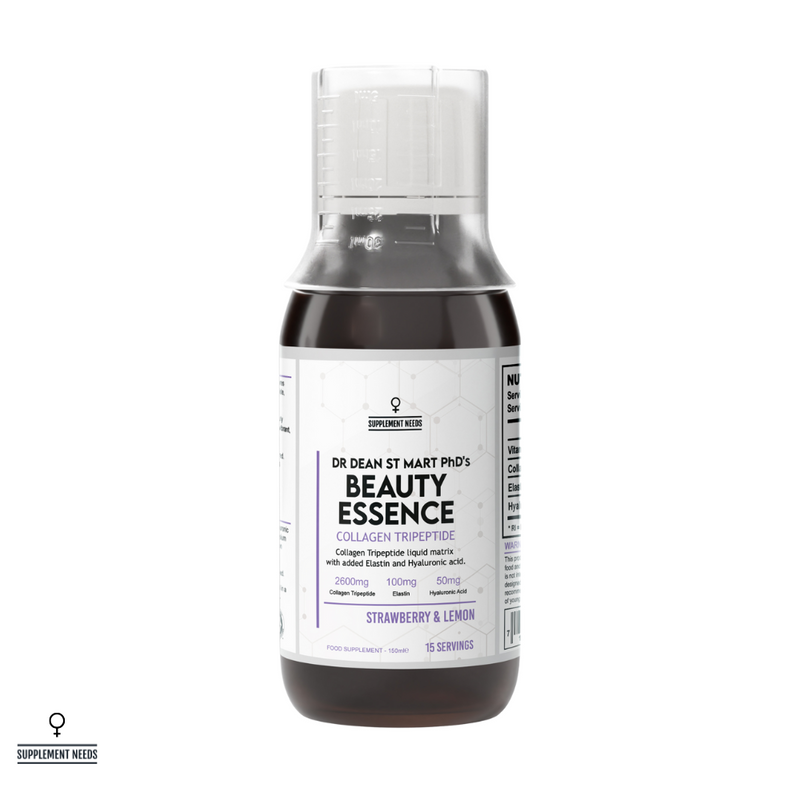
Beauty Essence
Supplement Needs Beauty Essence currently provides, per 10ml serving:
- 2,600mg marine collagen tripeptide
- 100mg vitamin C
- 100mg elastin
- 50mg hyaluronic acid.
For customers specifically looking for collagen-led beauty nutrition, Beauty Essence provides marine collagen tripeptide alongside vitamin C, elastin and hyaluronic acid in a liquid format. Explore Beauty & Ageing for the full ingredient comparison and product guidance.
Vitamin C and normal collagen formation
Vitamin C contributes to normal collagen formation for the normal function of skin.
FAQs
What is the difference between perimenopause and menopause?
Perimenopause is the period leading up to menopause.
NHS defines menopause as the point when periods have stopped for 12 months; the stage afterwards is postmenopause.
Can supplements treat menopause symptoms?
Food supplements may provide support to menopause symptoms but treatment would require medical intervention.
What supplements should women consider during menopause?
There is no universal stack.
Customers can review general nutritional areas such as vitamins, minerals, magnesium and fatty acids according to diet and individual requirements.
Is HRT the same as a supplement?
No. HRT is a medical treatment.
NHS guidance describes HRT and other medical options for menopause symptoms.
Can I take supplements with HRT?
Customers taking HRT or other medication should discuss supplements with an appropriate healthcare professional, especially complex botanical formulas.
Do herbal menopause remedies have potential interactions?
Many herbal/complementary menopause products may provide support but always enquire with your healthcare practitioner on potential medicine interactions.