














Short rides vs long rides
Short rides may be adequately supported by normal food and water.
Longer or more demanding rides can require more structured planning around:
- fluid
- electrolytes
- carbohydrate
- carrying capacity
- refilling bottles
- temperature
- food consumed before and after riding
Electrolyte bottle vs carbohydrate bottle
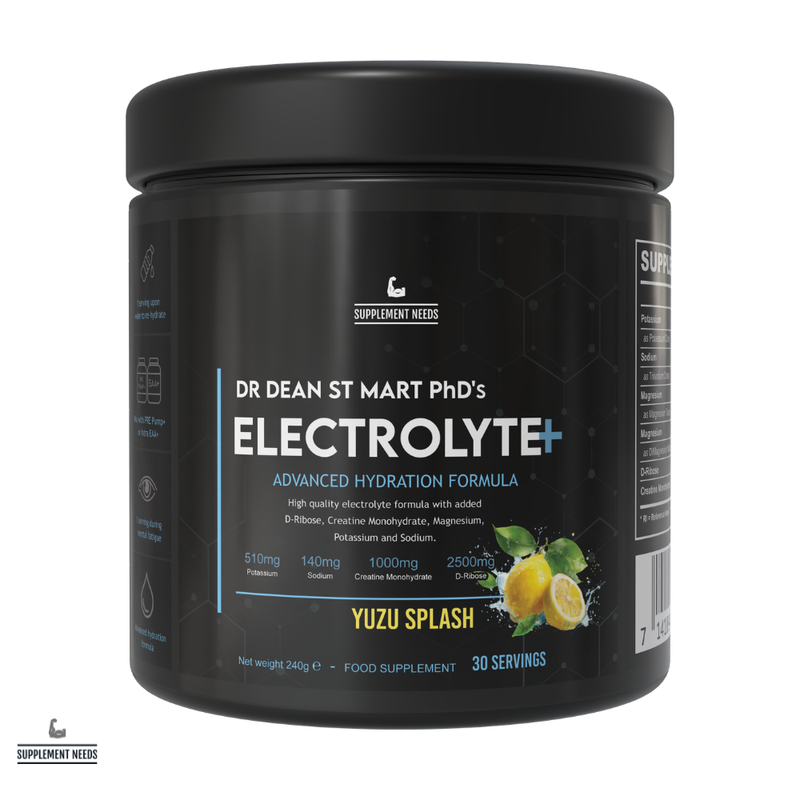
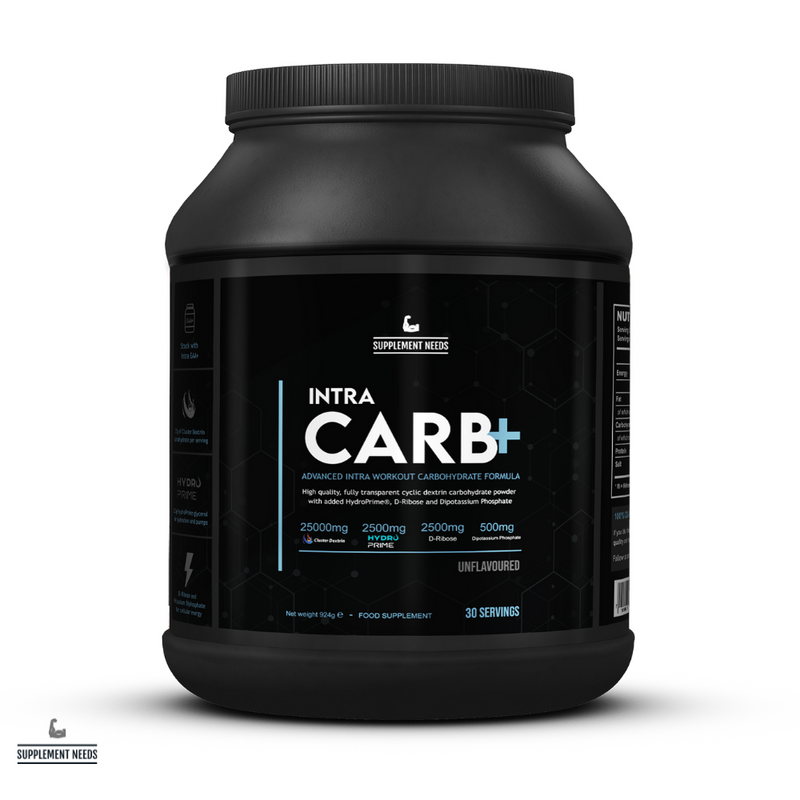
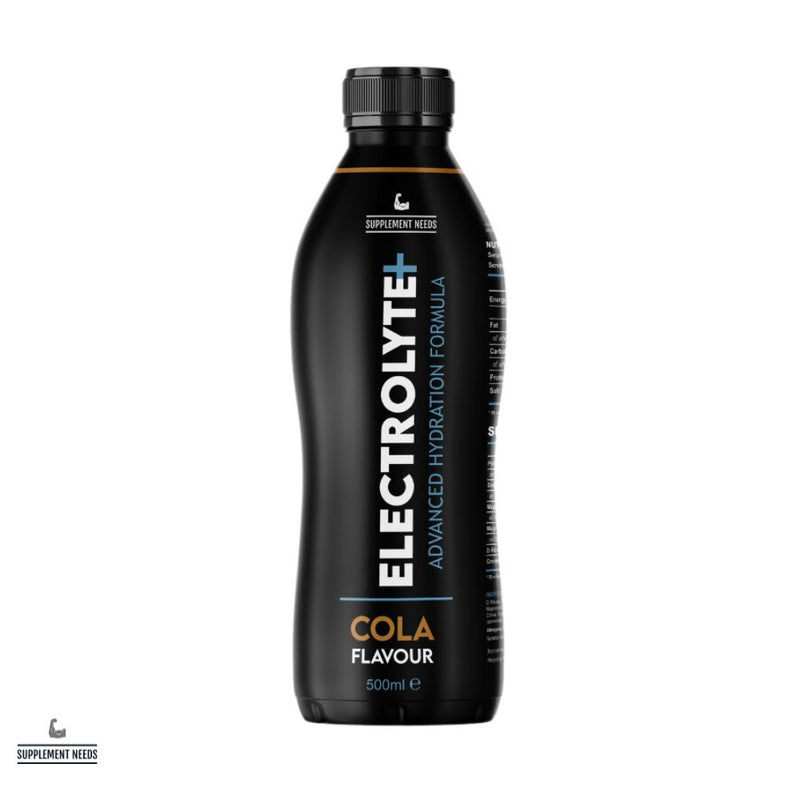
Electrolyte+ is designed around electrolyte ingredients, while Intra Carb+ provides 25g Cluster Dextrin® plus HydroPrime®, D-Ribose and dipotassium phosphate.
Cyclists should understand whether a bottle is intended primarily for fluid and electrolytes, carbohydrate, or a deliberately combined mixture.
Indoor vs outdoor cycling
Indoor sessions can involve different temperature and sweat conditions from outdoor riding, even when the session is shorter.
Customers are encouraged to consider their actual environment rather than applying the same bottle routine universally.
Pre-ride Cream of Rice
Cream of Rice can be prepared as a hot or cold rice based meal and combined with protein powder if desired.
Its serving should be adjusted to the rider’s wider meal plan rather than presented as one fixed cycling prescription.
FAQs
What supplements are useful for cyclists?
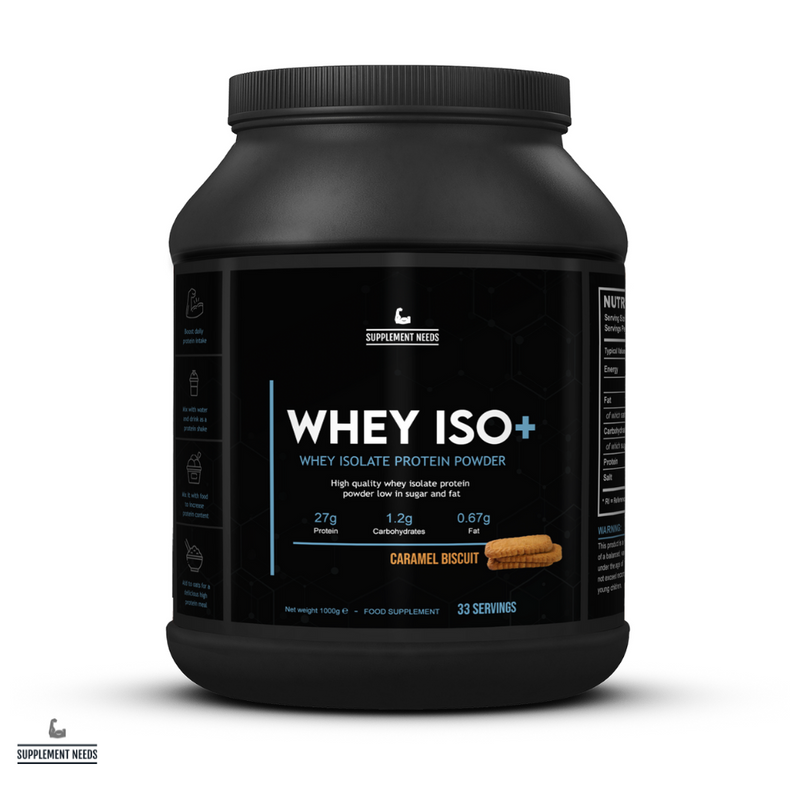
Electrolyte products, carbohydrate powders and convenient protein products are the most relevant categories within this collection.
Can Intra Carb+ be mixed into a cycling bottle?
Yes. The product is unflavoured and designed to be mixed with water before and during training.
Do I need carbohydrates on every ride?
No. The need depends on ride length, intensity, previous food intake and the individual.
Can Electrolyte+ and Intra Carb+ be combined?
They can be combined where both electrolyte and carbohydrate intake are planned. Trial the concentration during training.
Is protein powder useful after cycling?
It can provide a convenient protein serving but is not mandatory where normal food meets the rider’s needs.
Can cyclists use creatine?
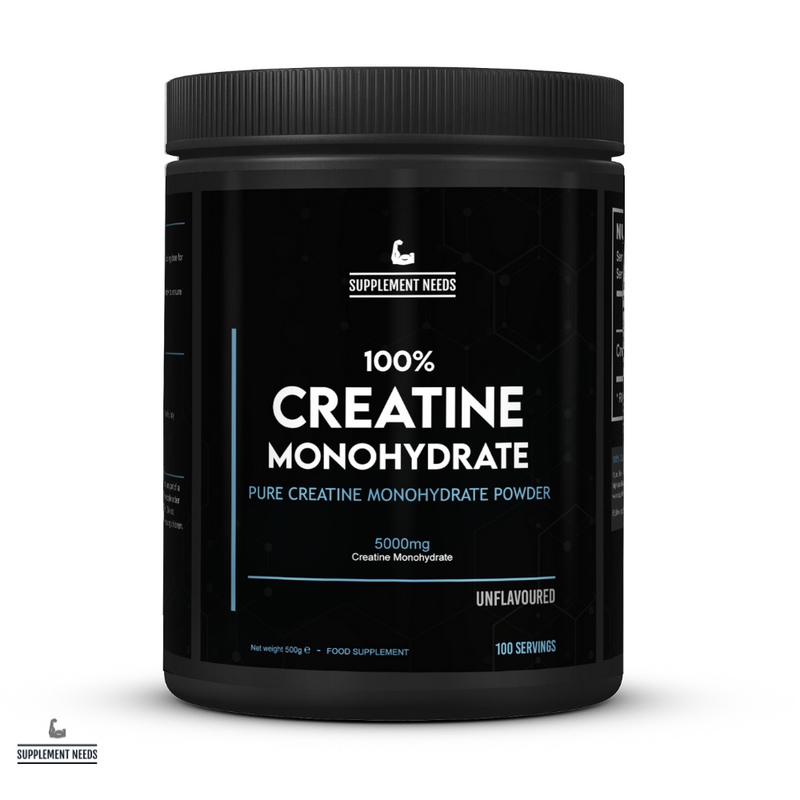
Creatine Monohydrate may be used within a wider training programme. Competitive cyclists should also consider their governing body’s supplement risk guidance.